
Note: On Apr. 22, the MAPS crew found out their entry in the Geauga County Maple Festival won a red (2nd place) ribbon, with an overall score of 83.5 (85+ are considered blue ribbon entries). Entries are judged on four categories, including brix score (the density of the product, measured using an hyrdrometer), color, clarity, and flavor. MAPS scored 17/25 on brix, 19/25 on clarity, 10/20 color, and 37.5/30 on flavor (guess it was really tasty stuff!). The team will soon gather to celebrate their accomplishment, and get down to creating a blue ribbon product for next year!
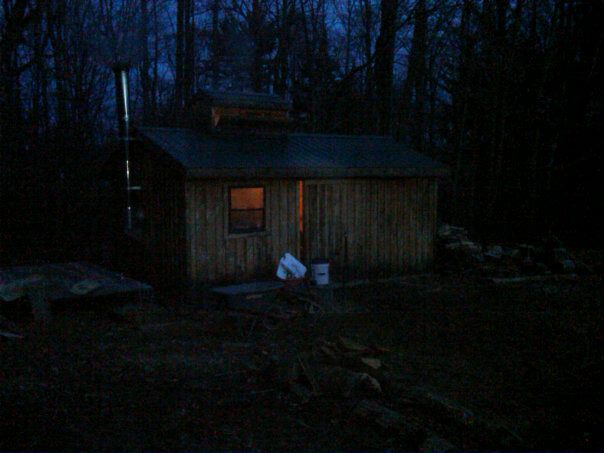
It’s spring time in Cleveland (even though the weather hasn’t necessarily felt like it), and that means the sap is running from the maple trees. For the sixth consecutive year, WRIS Sales Director Jim Abbott and WRIS Client Justin Madden are working together to produce and bottle their own Ohio maple syrup. In combination with two other friends, Jim and Justin are part of MAPS (Madden, Abbott, Pustai & Stafford), and as their ‘production facility’ is in Russell, OH, they like to call their product “Russell Fancy”. This name is a takeoff on the former top grade of syrup, referred to as “Vermont Fancy” http://vermontmaple.org/maple-products/maple-syrup/. For 2014 and beyond, the grading system has changed to list only ‘A’ and ‘B’, combined with various colors. As the season draws on, syrup tends to get darker as sugar content increases.
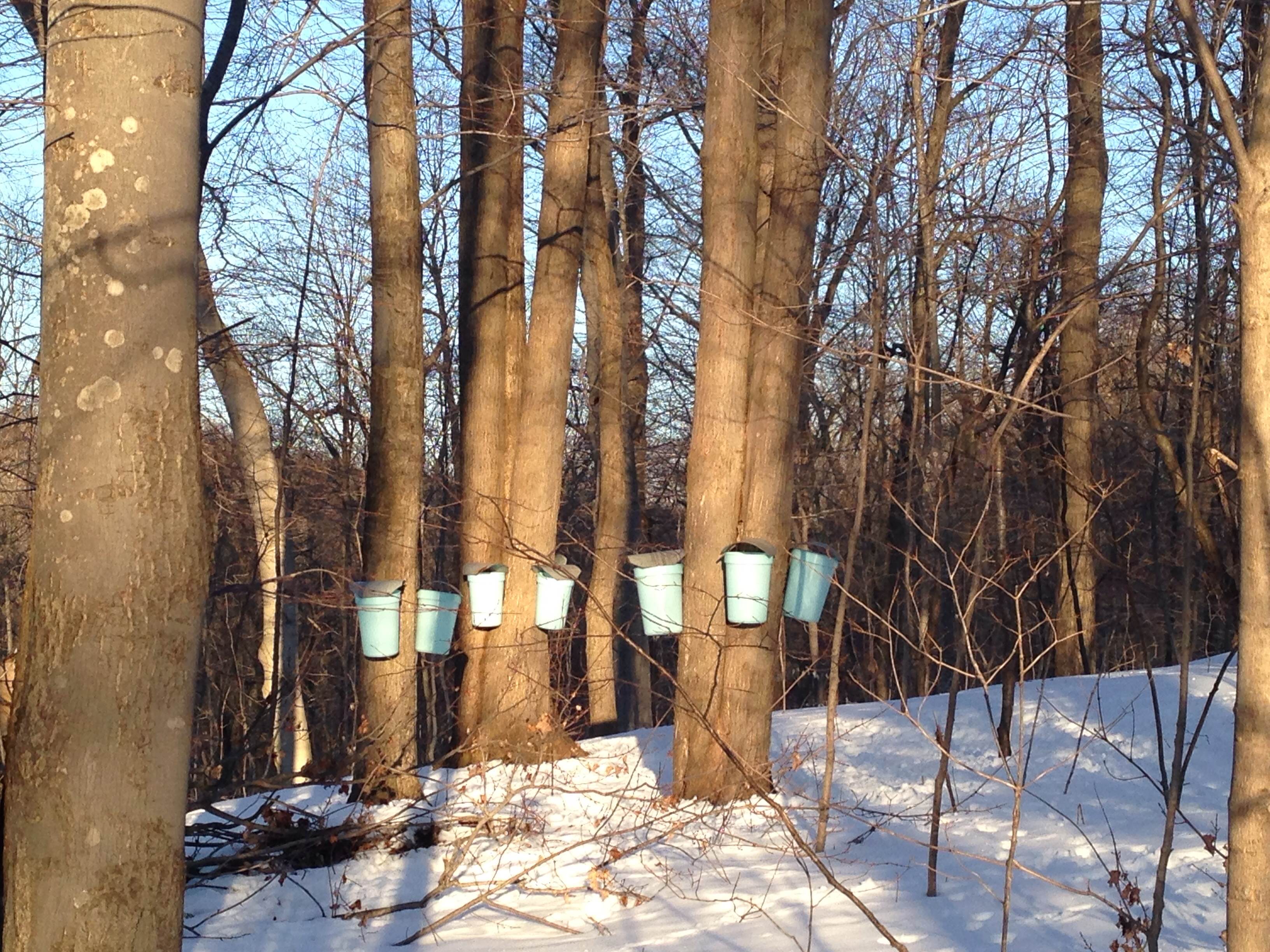
The process starts each spring (this year, buckets were hung in late February), as daytime temperatures start to rise. Holes are drilled in maple trees on the properties of each of the four partners, spiles are hammered into the holes, and buckets are hung on the spiles (sap can also be collected in bags hung on trees, or through use of a vacuum system, which pulls sap from the tree). Optimal conditions are cold nights, (temps below freezing cause the sap to move up into the trees) and warm days (which causes the sap to run), and once the maples start to ‘bud’ (buds appearing on the branches), the season is over.
The general rule of thumb is that 40-50 gallons of sap (depending on the sugar content) are required to produce one gallon of syrup. Last season, the MAPS crew produced 33 gallons of syrup, meaning they collected well over 1,300 gallons of sap. With over 100 buckets between the four team members, a good day of sap collecting could easily account for 170 gallons of sap. Once the sap has been collected at the four properties spread throughout Western Geauga County, it is brought to the sugar shack and placed into a 300ga. holding tank. From here, it will be placed into an evaporator, where the boiling process begins.
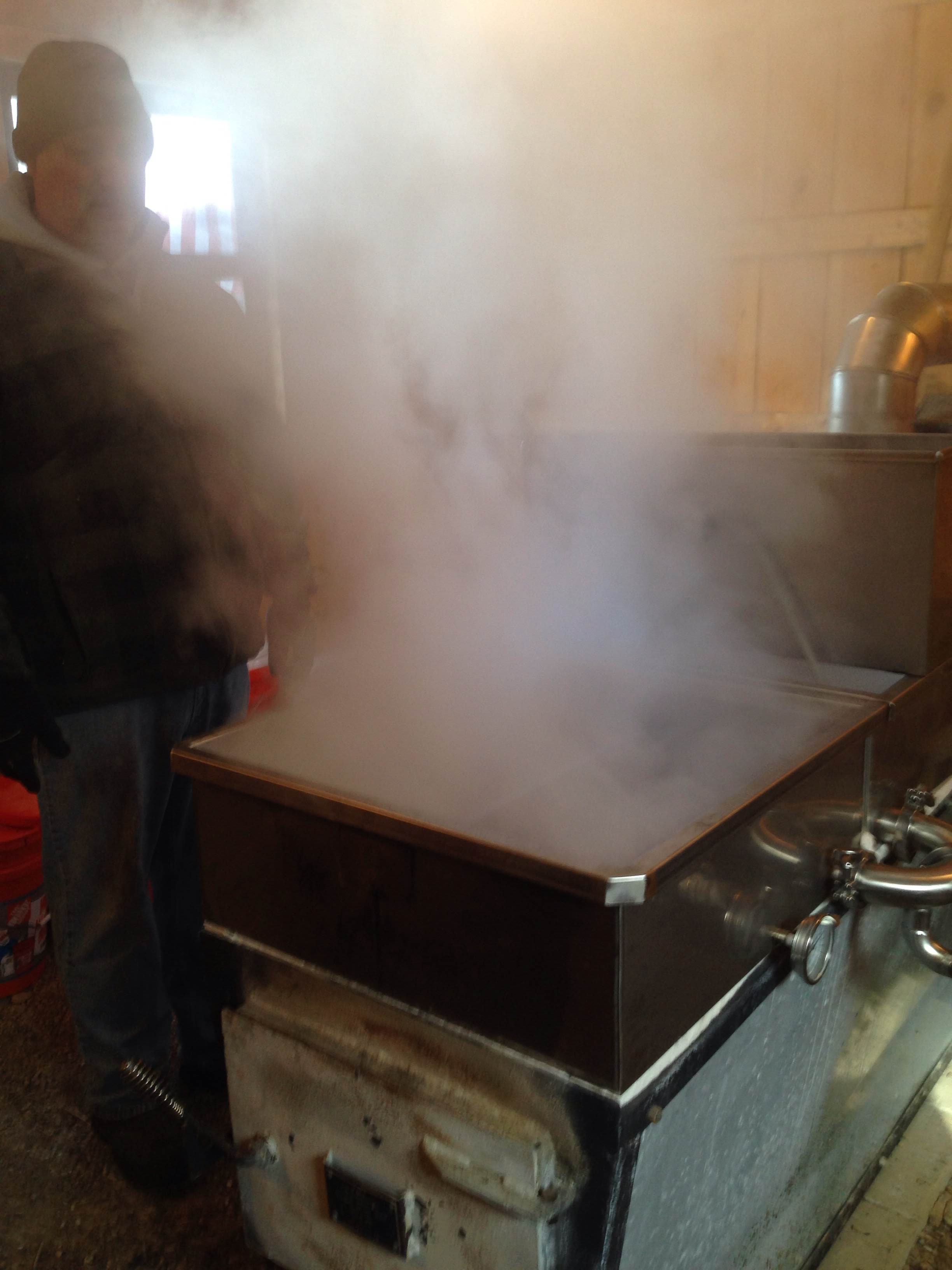
The evaporator is a stainless steel pan, containing multiple sections, which are all interconnected. The evaporator sits atop an enclosed firebox, and as sap boils and the water evaporates, maple syrup begins to form. The length of time to boil through a gallon of sap depends on a variety of factors; the type and size of evaporator, the strength of the fire, and the sugar content in the sap, to name a few. With the current 1/2 gallon evaporator, the team can boil through a gallon of sap an hour, which might sound like a lot, until you consider a 170 gallon sap day!
As the sap in the evaporator moves closer to syrup, it will be poured off in 4-5ga. amounts, which are then put into a large ‘finishing’ pot, to reach the final product. As the water content continues to be reduced, a hydrometer is used to check the density of the liquid. The correct density of syrup is at least 66% sugar, and the hydrometer will float in the test sample, when this density is reached. If the syrup is too dense, it must be thinned, and if it is too thin (the hydrometer doesn’t float), the boil must continue.
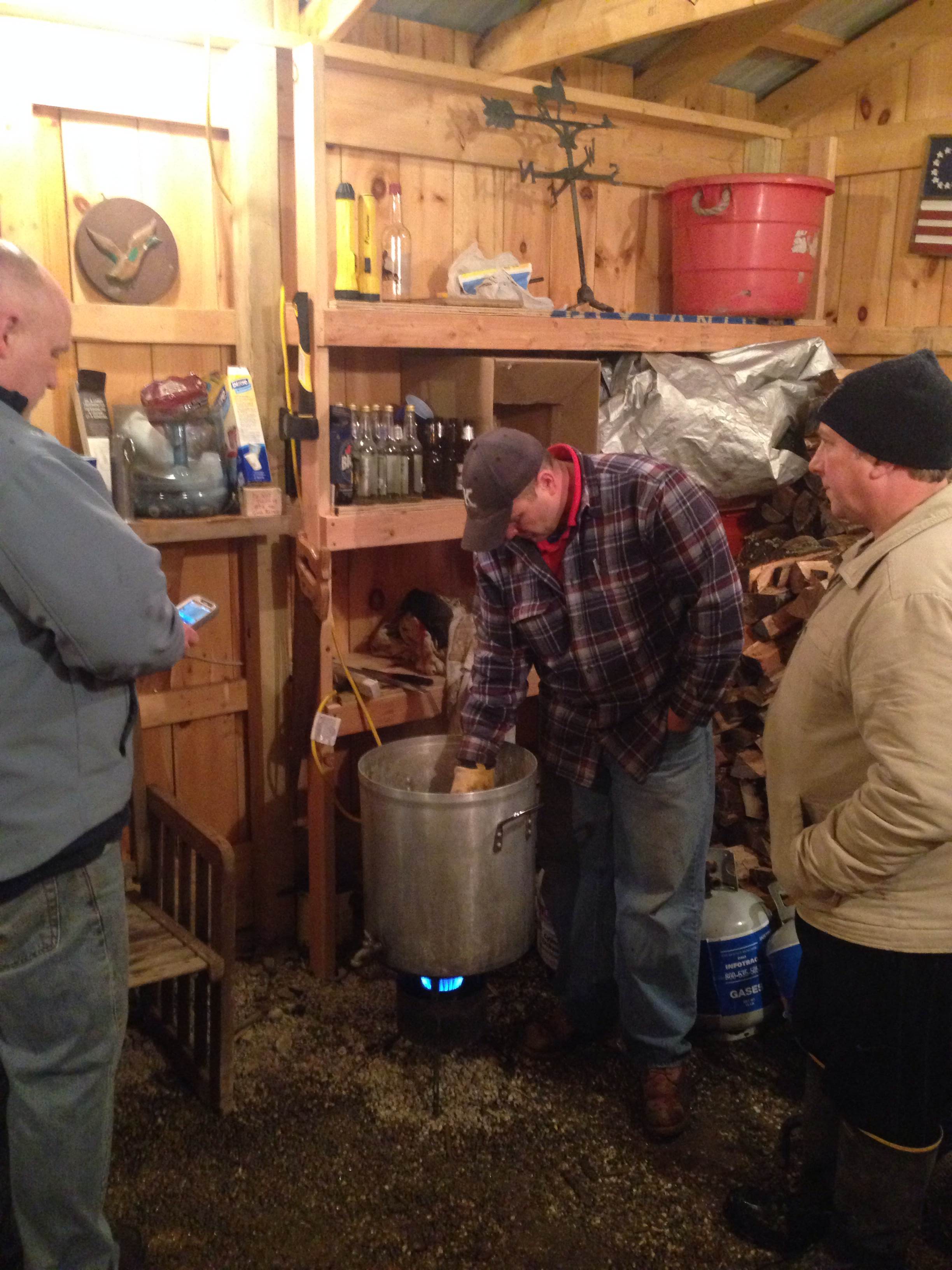
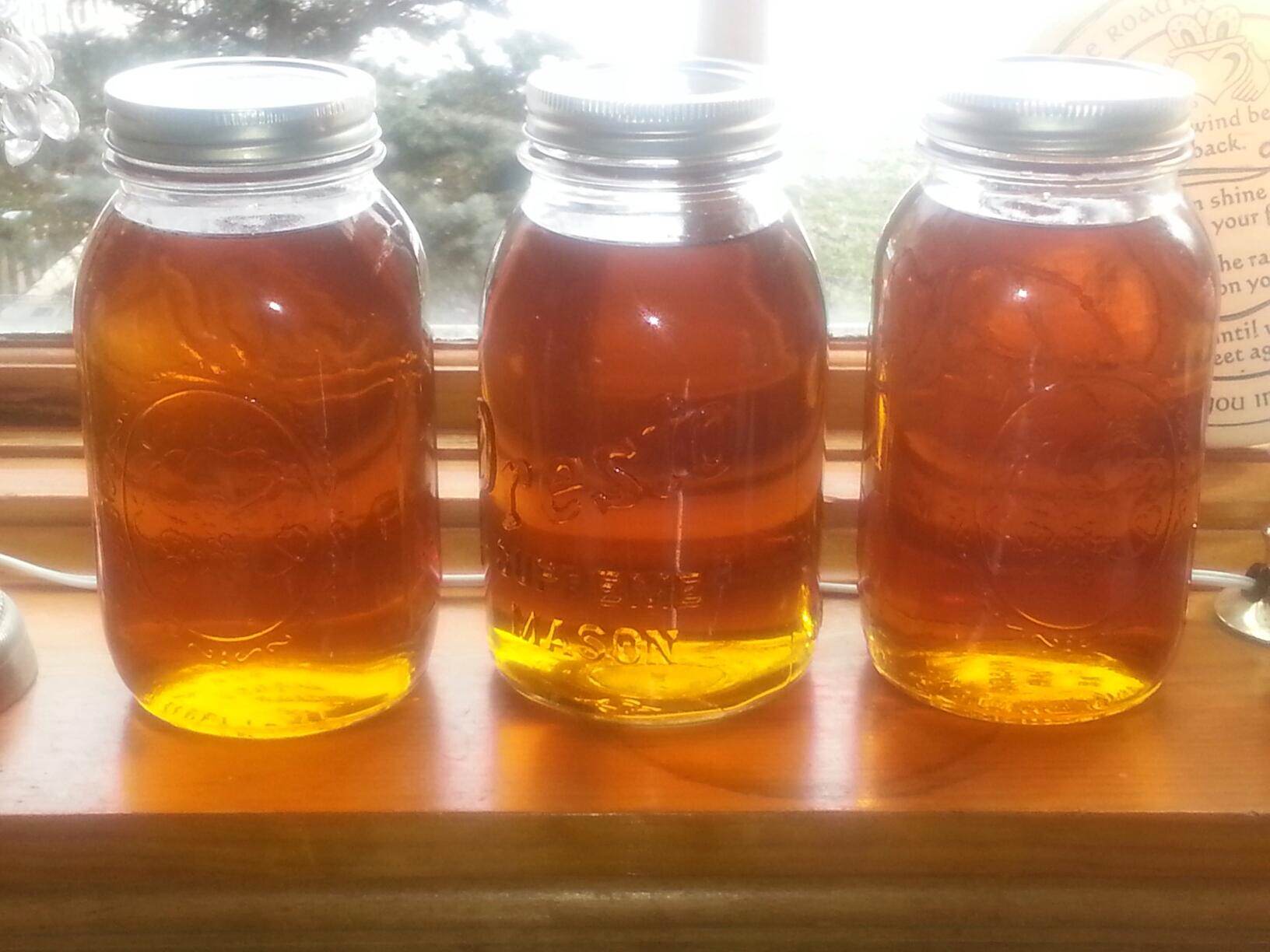
Once proper density has been reached, and maple syrup has officially been produced, it needs to be bottled. The still hot syrup is filtered through large filter bags, and poured into containers. In past years, MAPS has bottled in plastic “Ohio Maple Syrup jugs”, which add a professional touch. This year, however, the team is bottling primarily in glass mason jars, which will be labeled at a later date. This allows the consumer to see the rich color and quality of the syrup, while also helping to reduce costs (MAPS syrup is not sold, but rather given to friends and colleagues).
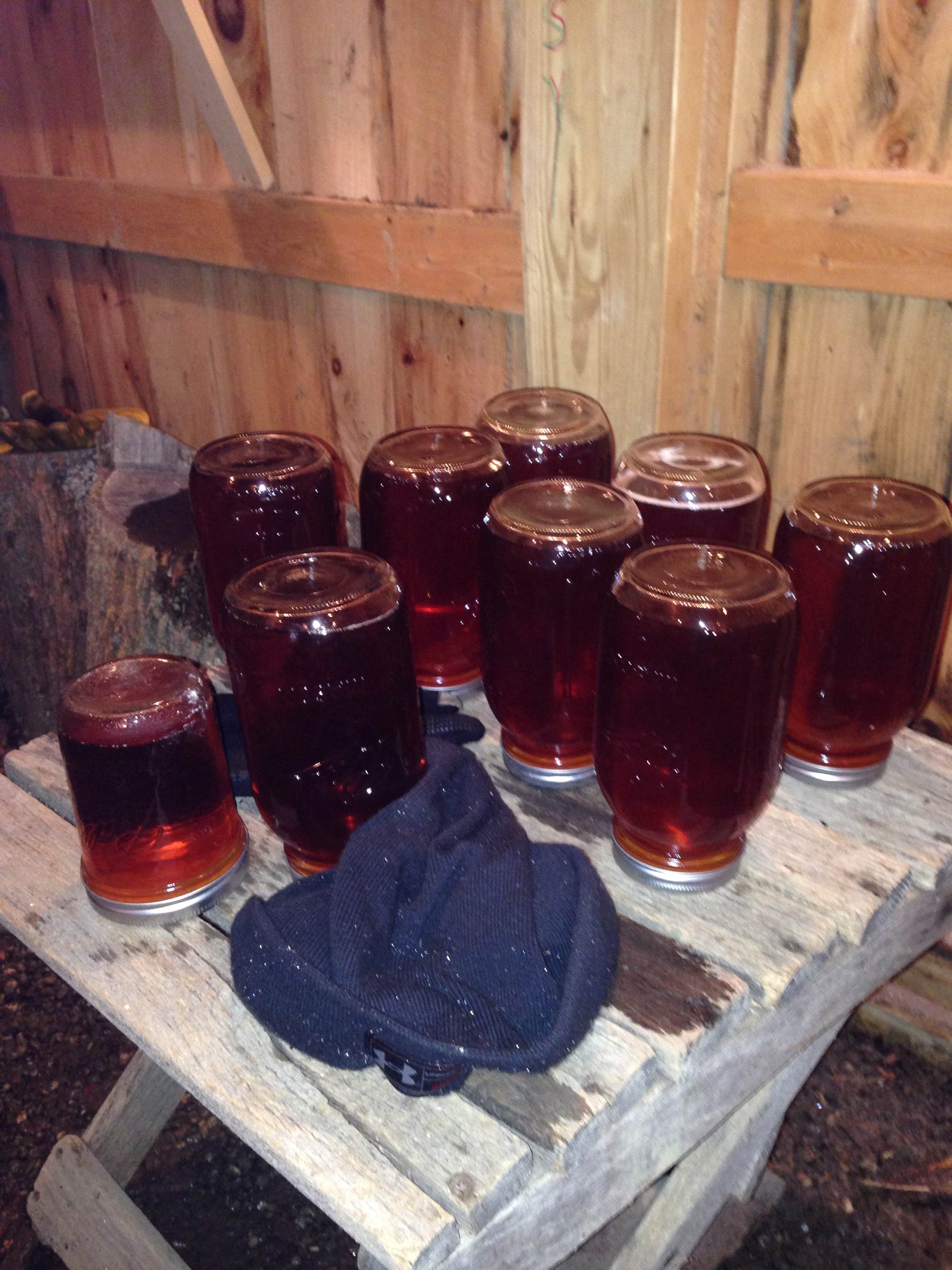
Although strenuous (a 5ga. bucket of sap weighs 42lbs.) and time consuming, the MAPS crew finds the 6-8 weeks of sap season to be very rewarding work. What could be a better form of bonding, than standing in a cold sugar shack, watching sap boil?!?!
Related Blogs
Before Google: The Wild West of Early Search Engines

WRIS at Adobe ColdFusion Summit 2026: Innovation, AI, and Community
.jpg&w=640&h=360&c=center)
What ADA Compliance Actually Means for Your Website in 2026
.jpg&w=640&h=360&c=center)