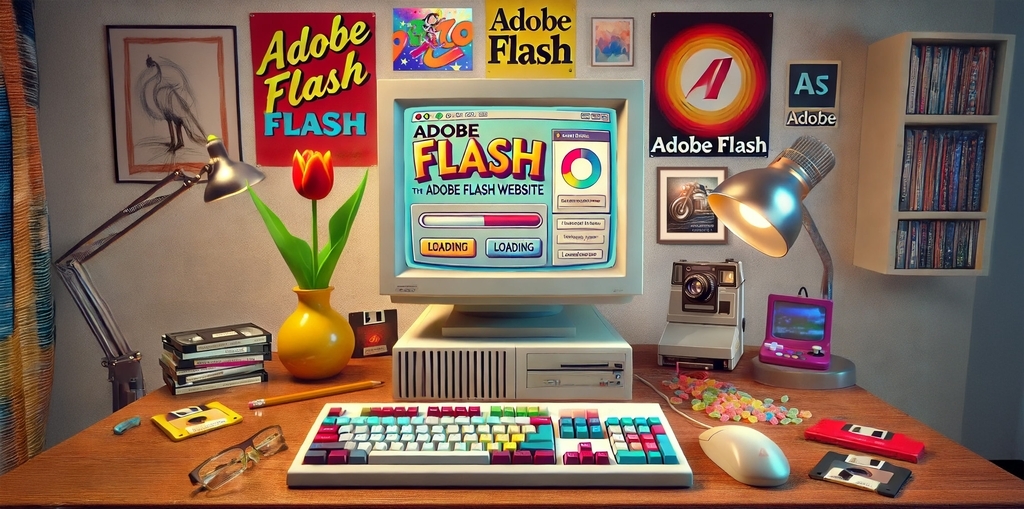
In the early 2000s, Adobe Flash was the king of interactive web experiences. From animated intros to full-blown gaming portals, Flash allowed designers and developers to create rich, engaging content that went far beyond what standard HTML and CSS could achieve at the time. If you remember navigating the internet in those days, chances are you encountered at least a few Flash-heavy websites—complete with animated buttons, custom cursors, and loading screens that felt like an event in themselves.
Why Flash Was a Game Changer
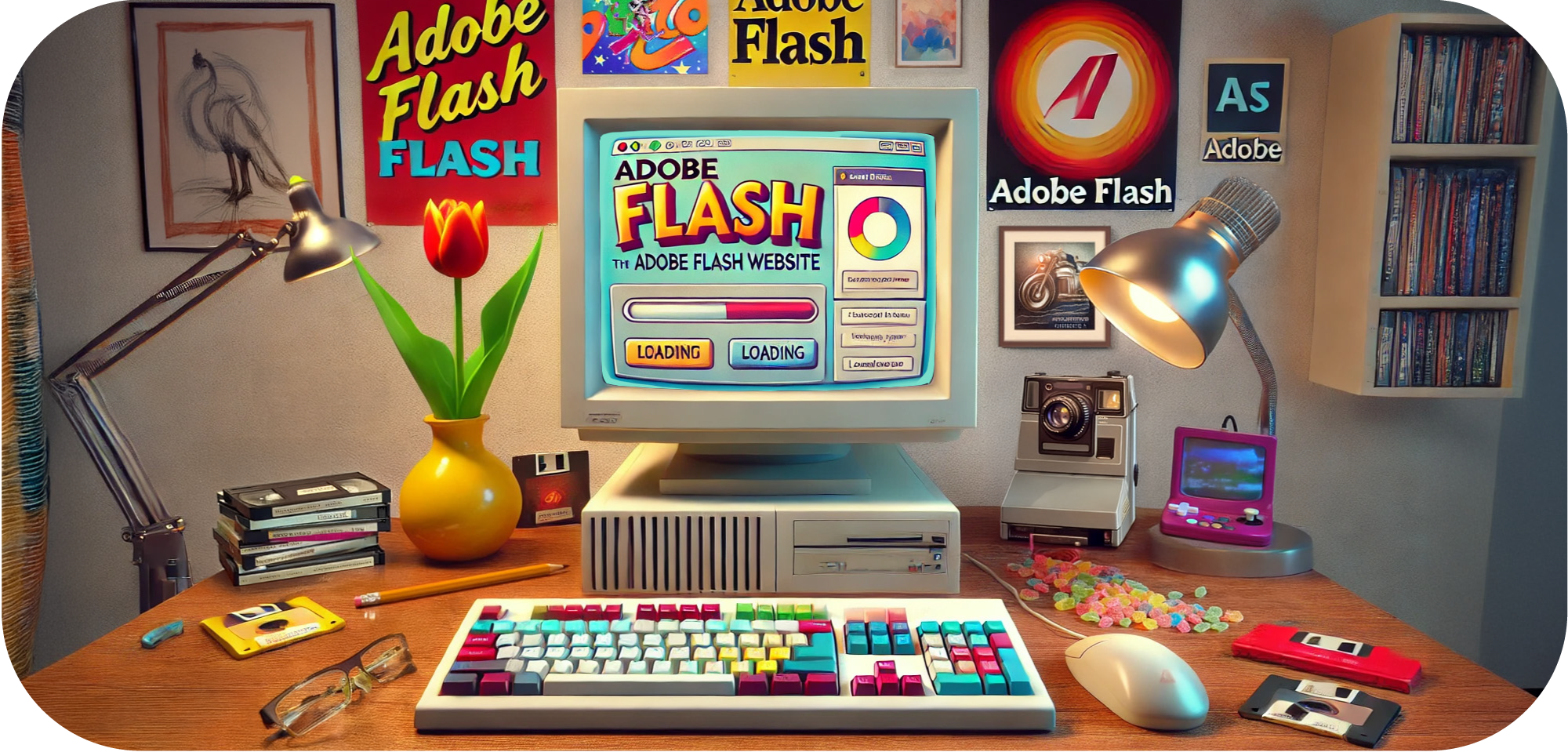
Before Flash, websites were largely static, consisting of text, images, and basic hyperlinks. Flash introduced interactivity and animation, paving the way for online games, video streaming, and dynamic content. Websites like Newgrounds, Homestar Runner, and even early YouTube relied on Flash to deliver multimedia experiences that felt futuristic. It was also a favorite tool for corporate branding, as companies used it to craft visually impressive (albeit sometimes slow-loading) homepage animations.
The Downfall: Why Flash Faded Away
Despite its dominance, Flash had some major drawbacks that eventually led to its demise. Security vulnerabilities, resource-heavy performance, and the need for users to constantly update the Flash plugin made it a hassle. Then came the moment that sealed its fate—Apple’s decision to block Flash from iOS devices. When Steve Jobs famously criticized Flash in his 2010 open letter, calling it outdated and unreliable, the writing was on the wall.
With the rise of HTML5, CSS3, and JavaScript, developers found new, more efficient ways to achieve the same interactive effects without the need for third-party plugins. By 2020, Adobe officially ended support for Flash, marking the end of an era.
The Legacy of Flash
Though Flash is gone, its influence remains. Many of today’s web animations, interactive media, and online gaming experiences owe a debt to what Flash pioneered. Fortunately, fans of classic Flash content can still relive the nostalgia thanks to projects like Ruffle, an emulator that allows old Flash content to be played without security risks.
While we may never see another era quite like the Flash boom, its impact on the web is undeniable. So next time you see a beautifully animated website, take a moment to appreciate how far we’ve come—from loading screens and plugin updates to seamless, mobile-friendly interactivity.
Looking Ahead
At WRIS, we understand the importance of staying ahead of the curve in web development. Whether you're looking to modernize an outdated website or build something entirely new, our team is here to help. Reach out to us to discuss how we can bring your digital vision to life with the latest web technologies.
Related Blogs
Before Google: The Wild West of Early Search Engines

WRIS at Adobe ColdFusion Summit 2026: Innovation, AI, and Community
.jpg&w=640&h=360&c=center)
What ADA Compliance Actually Means for Your Website in 2026
.jpg&w=640&h=360&c=center)